Books for Big Feelings: Calming Down and Worry
As an Amazon Associate I earn from qualifying purchases.
The phrase “big feelings” is a little cosy for what actually happens. A three-year-old in the grip of one is not having a large emotion — they are temporarily unable to do anything else. The part of the brain that manages this takes years to build, and while it is under construction, a spilled drink and a genuine catastrophe register at roughly the same volume.
Which means the goal is not really calm. Calm is what happens later, on its own. The goal is that the child comes out the other side with the feeling named, and with some sense that it passed and that you were still there when it did. Do that enough times and eventually they can do it without you.
Books help in a specific and slightly unglamorous way: they build vocabulary during peacetime. A child who has read about the yellow worry, or Sophie’s red page, has words ready for the next time. Nobody learns vocabulary mid-scream.
Two of the nine below are mine, and neither is the one I would reach for first. The other seven are the ones I actually recommend when friends ask.
For naming the feeling in the first place
The Color Monster
Anna Llenas Ages 3–6
A monster wakes up with all his feelings tangled together in a scribbled knot, and a small girl helps him sort them into jars by colour.
This is the one to start with, because a child who cannot name what they are feeling cannot do anything else about it. The colour-jar idea is sticky enough that children start using it unprompted — "I'm a bit grey today" is a sentence I did not expect to hear at breakfast.
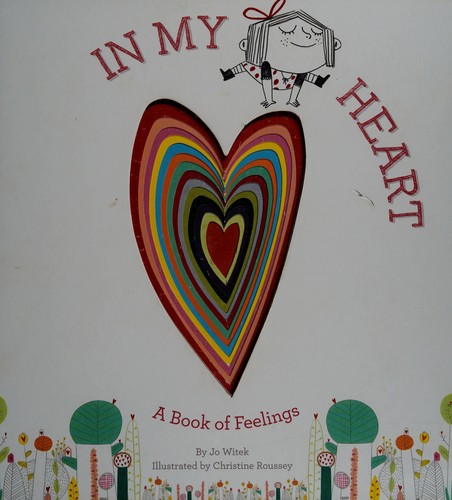
In My Heart: A Book of Feelings
Jo Witek and Christine Roussey Ages 2–5
One feeling per spread, each described by what it does to your body — happy makes your heart feel like it is bursting, brave makes it beat quickly.
For the very young end, where the vocabulary genuinely is not there yet. Tying each feeling to a physical sensation is the right move for a three-year-old, who notices the tight chest long before they have a word for the worry.
For anger
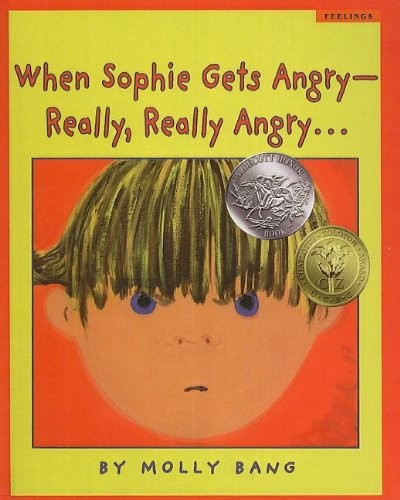
When Sophie Gets Angry — Really, Really Angry
Molly Bang Ages 3–7
Sophie's sister grabs her gorilla. Sophie explodes, runs out of the house, cries, climbs a tree, watches the water — and comes home.
Bang's colours do the work: the page turns red and orange at the peak and cools as she settles. There is no lecture and no apology scene, which some adults find unsatisfying and which I think is exactly right. Sophie is not naughty. Sophie is furious, and then she is not.
Find When Sophie Gets Angry — Really, Really Angry on Amazon
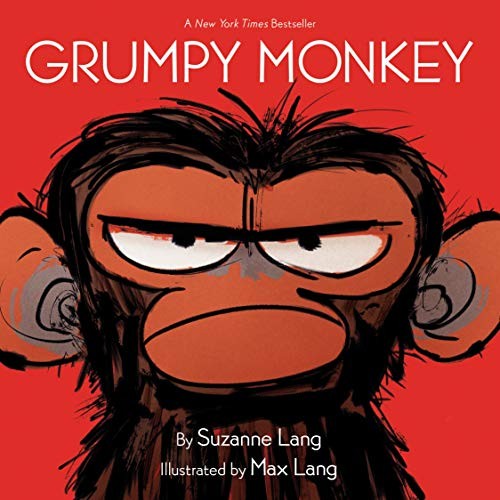
Grumpy Monkey
Suzanne Lang and Max Lang Ages 3–7
Jim Panzee wakes up in a terrible mood on a beautiful day, and every animal in the jungle tries to talk him out of it. Only his friend Norman gets it right, by sitting down next to him and saying nothing.
Very funny, and quietly subversive: the message is that you are allowed to have a bad mood without anyone fixing it. Useful for the child, and honestly quite instructive for the parent doing the fixing.

One of mine
Sage Takes a Breath
C.J. Crompton Ages 3–8
One of mine, so apply the discount.
Sage gets overwhelmed and someone shows him how to stop for a moment before doing the next thing. It is the most practical of my thirty — there is an actual technique in it that a child can copy.
I was nervous about this one. Books that teach a breathing exercise can tip very quickly into worksheet territory, and I rewrote the middle of it more times than any other book in the series trying to keep it a story.
For worry
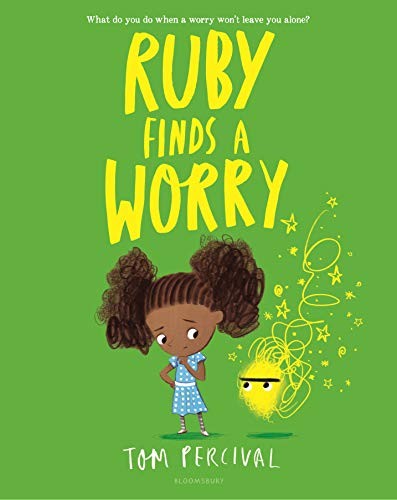
Ruby Finds a Worry
Tom Percival Ages 3–7
Ruby's worry is a yellow scribble that starts small, follows her about, and grows until it blots out everything. It shrinks when she finally talks to someone about it.
The best book here on anxiety, and the most immediately useful, because it makes the worry a visible separate thing rather than part of the child. A worry you can point at is a worry you can hand to somebody.
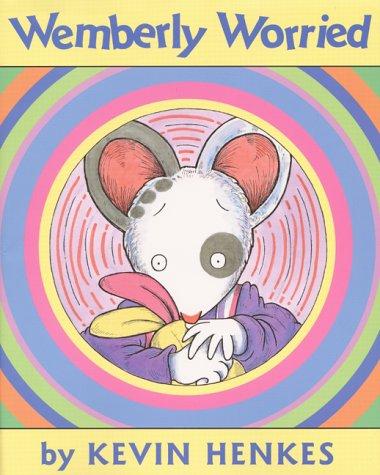
Wemberly Worried
Kevin Henkes Ages 3–7
Wemberly worries about everything — spilling, shrinking, the crack in the wall — and most of all about starting school. School turns out to be fine, largely because there is another worrier there.
The specific one for the night before something new. Henkes never mocks her, and never promises that nothing bad will happen; the resolution is just that she got through it, which is the only honest promise available.
One of mine
Sage's Big Daydream
C.J. Crompton Ages 3–8
Mine, and the last of them.
About the drifting-off kind of overwhelm rather than the exploding kind — the child who is not upset so much as somewhere else entirely, and misses what is actually happening in front of them.
This is the quietest book I have written and the one most often skipped by children who want something to happen. I have made my peace with that.
Something to do, not just read
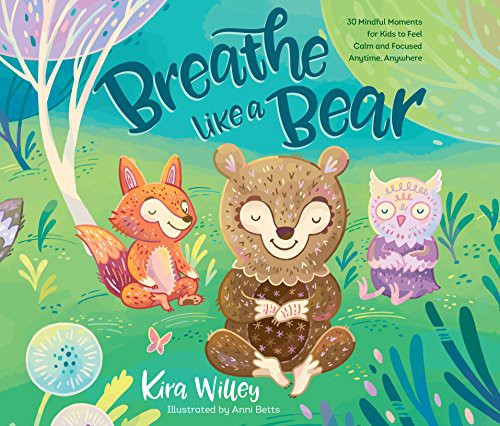
Breathe Like a Bear
Kira Willey and Anni Betts Ages 3–8
Thirty short mindfulness exercises for children, each about a page — breathe like a bear, stand like a tree, blow out the candle.
Not a story, and included here for that reason. When a child is genuinely escalating, they cannot follow a narrative, but they can copy an action. Learn two or three of these on a calm day and you will have something to actually do when the next one arrives.
How to actually use these
What I wish I had understood earlier, most of which is not in any of these books:
You cannot teach during the storm. A child in full meltdown has no access to the part of themselves that reasons. Anything you say is for your benefit, not theirs. Wait, stay close, do the teaching an hour later.
Name it before you solve it. "You're really cross that it broke" lands far better than an immediate offer to fix it. Children — like everyone — will not accept a solution until they believe you have understood the problem.
Don't argue with the size of the feeling. "It's not that bad" is true and completely useless. The lost balloon genuinely is that bad when you are four, and telling a child otherwise mostly teaches them not to tell you next time.
Watch for the worry that hides. Anxious children often present as furious, stubborn, or endlessly fidgety rather than visibly frightened. Anger is frequently the outside of worry.
Get help if it stops being occasional. These are books, not treatment. A child who is anxious most days, losing sleep, or refusing things they used to enjoy deserves an actual conversation with your doctor or health visitor. I have no expertise here beyond writing stories, and I would rather say so than imply a picture book covers it.
C.J. Crompton writes the Sage's Adventures series — thirty picture books for ages 3–8, retelling Aesop's fables for modern children. You can browse the whole series or download free coloring packs.