Books That Teach Kids About Honesty
As an Amazon Associate I earn from qualifying purchases.
Almost every book about lying is written for the adult’s problem rather than the child’s. The adult’s problem is that they have been lied to. The child’s problem is usually much smaller and much more interesting: they did something, they know it was wrong, they are frightened of what happens next, and lying is the first tool that presents itself.
Understanding that changes what a book about honesty needs to do. It does not need to establish that lying is bad — a four-year-old already suspects this, which is precisely why they look shifty. What it needs to do is show the inside of telling the truth: the awful bit before, and the enormous relief after. That relief is the part children have not yet experienced, and a story is a safe place to experience it first.
It is also worth being honest that quite a lot of early lying is not really lying at all. Small children confuse what happened with what they wish had happened, and they say things to find out what saying them does. Coming down hard on that does not produce a truthful child. In my experience it produces a more careful one, which is not the same.
Two of the nine below are mine. The other seven are better, and I have said where.
The best of them
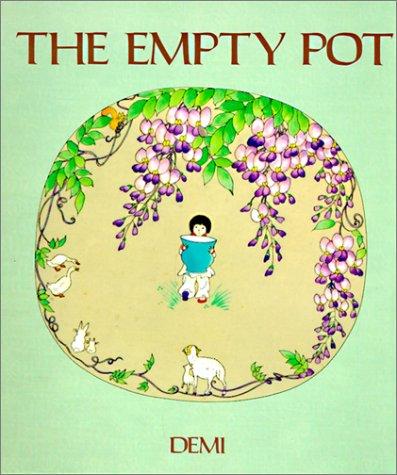
The Empty Pot
Demi Ages 4–8
A Chinese emperor gives every child a seed and promises his throne to whoever grows the finest flower. Ping's seed will not grow. He arrives at the palace with an empty pot while every other child carries a bloom.
This is the finest book about honesty I have ever read, and it is not close. Ping is not brave in a swaggering way — he is simply unable to pretend, and miserable about it. The reveal is perfect. If your child is old enough for it, start here and possibly stop here.
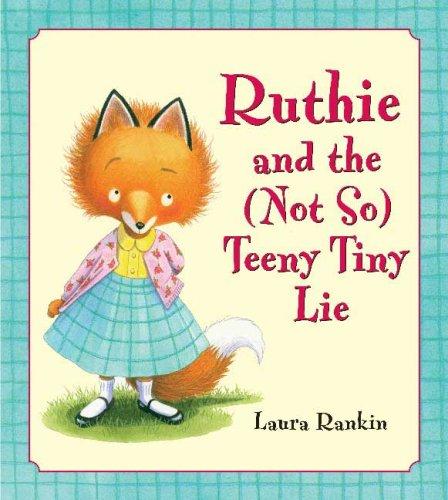
Ruthie and the (Not So) Teeny Tiny Lie
Laura Rankin Ages 4–7
Ruthie finds a tiny camera in the playground. When another child says it is his, she says it is hers. Then she has to live inside that all day.
What Rankin captures — better than anyone else here — is the physical awfulness of having told a lie: the stomach, the not-sleeping, the wanting to take it back and not knowing how. Children recognise that feeling instantly, and recognising it is most of what stops them repeating it.
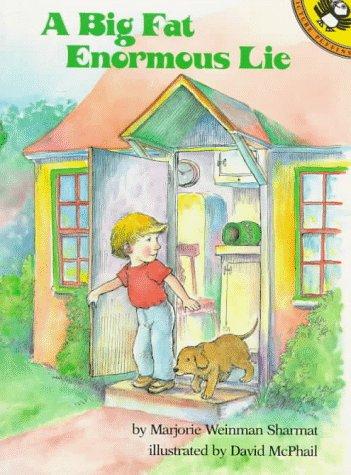
A Big Fat Enormous Lie
Marjorie Weinman Sharmat Ages 3–7
A small lie about a jar of cookies becomes a large, hairy monster that follows the boy everywhere and grows every time he adds to it.
Making the lie a visible creature is a genuinely clever move for the younger end — an abstract idea becomes something a four-year-old can point at. And it shrinks the moment he owns up, which is the useful half.
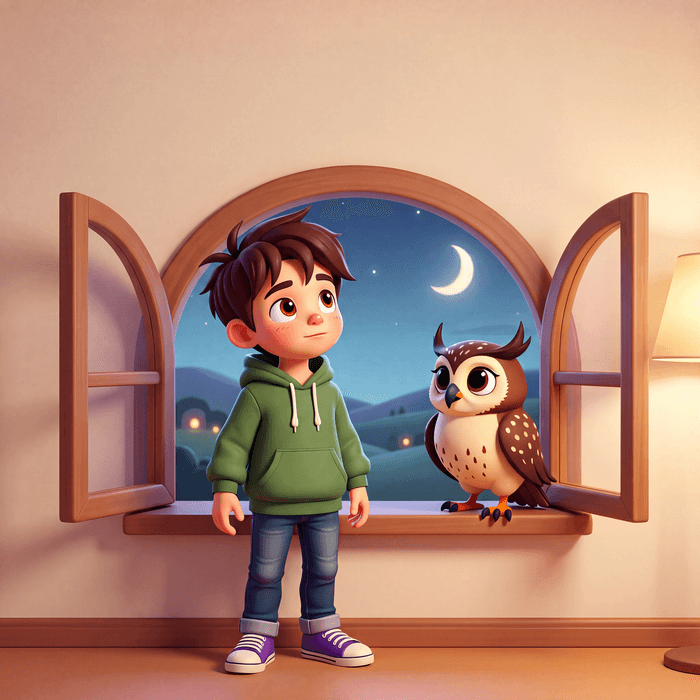
One of mine
Sage Tells the Truth
C.J. Crompton Ages 3–8
One of mine, so weigh it accordingly.
Sage breaks something and says he didn't. The book spends most of its length in the gap between the lie and the confession, because that gap is where the whole thing actually happens.
I gave the grown-up in it very little to say. Early drafts had an adult explaining why honesty matters, and every reader I tried it on — child and parent — visibly switched off at that page. It went.
When the truth is used as a weapon
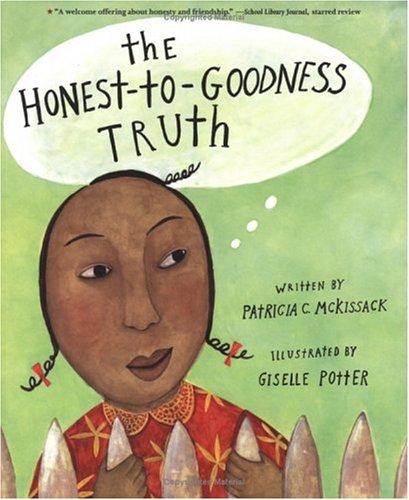
The Honest-to-Goodness Truth
Patricia C. McKissack Ages 5–9
Libby is caught in a lie and resolves never to tell another one. She then spends the day telling the truth about everybody, loudly, and discovers that she has hurt half the people she knows.
Every other book on this list says "tell the truth". This one asks the harder question of how, and it is the one I would want a child to have read by seven. Honesty without kindness is just accuracy.
One of mine
Sage and the Sweet Talk
C.J. Crompton Ages 4–8
Mine, and the last of them.
This is the fox-and-the-crow problem: not about lying yourself, but about being lied to by someone who is very charming about it. Sage is flattered into handing something over, and has to work out afterwards what happened.
It is the odd one out on this list and I have put it here deliberately. Children get a great deal of instruction about not lying and almost none about recognising when they are being handled.
The classics, and one warning
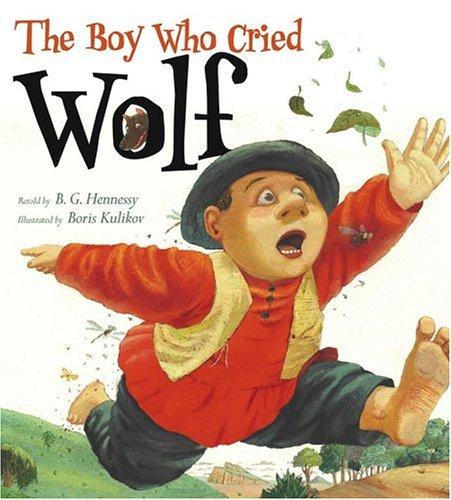
The Boy Who Cried Wolf
B.G. Hennessy and Boris Kulikov Ages 4–8
The fable, told straight, with Kulikov's slightly unnerving illustrations doing a lot of the work.
Worth knowing before you read it: this is the bleakest story here. The boy is not forgiven and the sheep are not saved. Some children find that clarifying and some find it genuinely upsetting, and you will know which yours is. Hennessy's version handles the ending about as gently as the story permits.
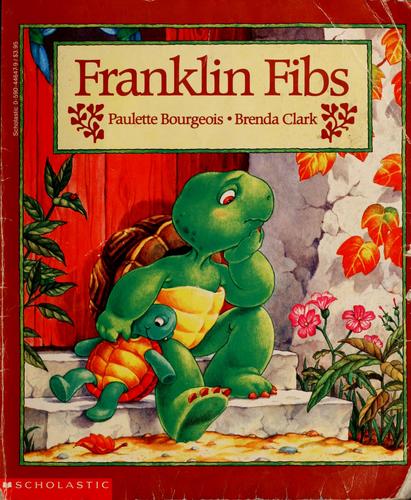
Franklin Fibs
Paulette Bourgeois and Brenda Clark Ages 3–7
Franklin boasts that he can eat seventy-six flies, cannot, and then has to produce them in front of his friends.
Gentler than most of this list, and specifically about the boasting kind of lie rather than the covering-up kind — which is the more common variety at four and rarely gets its own book. The friends' reaction at the end is kinder than Franklin deserves, and that is the point.
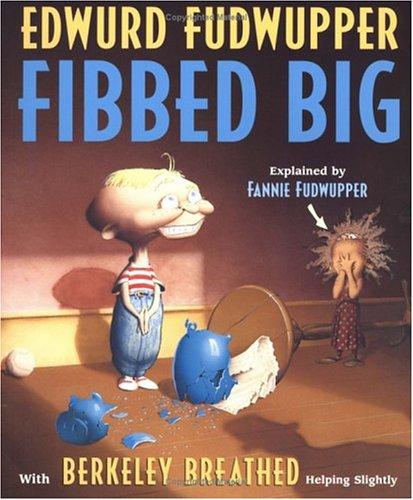
Edwurd Fudwupper Fibbed Big
Berkeley Breathed Ages 5–9
Edwurd's lies escalate until one of them summons an actual alien invasion, and his small sister has to sort it out.
Loud, silly, and considerably funnier than most books on this subject — which makes it the one for a child who has started to find earnest picture books a bit beneath them. Breathed's language is a joy to read aloud.
How to actually use these
What actually reduced the lying in our house, in rough order of usefulness:
Stop asking questions you already know the answer to. "Did you draw on the wall?" is not a question, it is a trap, and a four-year-old standing next to a drawn-on wall knows it. "I see you drew on the wall — let's sort it out" skips the invented denial entirely. Most toddler lying is manufactured by the adult's opening line.
Separate the lie from the thing. If owning up to the broken cup gets the same consequence as breaking it, honesty has no value. Make the confession visibly worth something — even if the mess still has to be cleaned up.
Expect fantasy that isn't lying. Three- and four-year-olds say things that are simply not true because they are trying them out, or wish them true. "A dinosaur unlocked the biscuits" is not deceit. Treating it as deceit teaches a child that imagination is dangerous.
Notice it out loud when it costs them. "That was hard to say and you said it anyway" is the single most useful sentence I know here, and it works far better than praising honesty in the abstract.
Be careful what they see you do. The small social lies adults tell — the invented excuse on the phone — are noticed, catalogued, and eventually quoted back. I was not remotely ready for this.
C.J. Crompton writes the Sage's Adventures series — thirty picture books for ages 3–8, retelling Aesop's fables for modern children. You can browse the whole series or download free coloring packs.