Picture Books About Patience for 3–5 Year Olds
As an Amazon Associate I earn from qualifying purchases.
A three-year-old asking “is it now yet?” for the eleventh time isn’t being difficult. They genuinely don’t know. Young children have almost no internal sense of how long anything takes, so “five more minutes” and “after lunch” and “next week” all land as roughly the same thing: not now, and I don’t know when.
That’s worth holding onto, because it changes what you’re actually teaching. You’re not trying to make a child care less about the thing they want. You’re trying to give them something to do with the gap — a way of filling the space between wanting and having that isn’t screaming.
Books are unusually good at this. A story lets a child watch someone else do the waiting, feel the frustration at a comfortable distance, and reach the end where it worked out. Read the same book enough times and the shape of it — this is hard, and then it passes — becomes something they’ve rehearsed.
I spent a couple of years adapting Aesop for small children, which mostly taught me how much better other people are at this than I am. Three of the eleven below are mine. The other eight are the ones I’d genuinely reach for first, and I’ve said where I think they beat my own.
The ones I'd start with
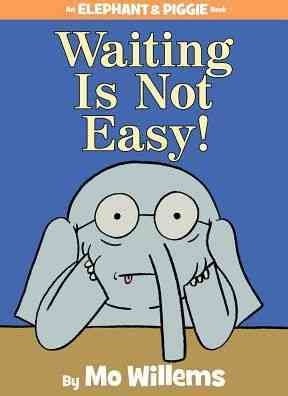
Waiting Is Not Easy!
Mo Willems Ages 3–6
If you only read one book on this list, read this one. Piggie has a surprise for Gerald, but Gerald has to wait for it, and Gerald is terrible at waiting. The whole book is his complaining, and it is very funny, and then the payoff is genuinely beautiful.
What makes it work is that Willems never tells anyone off. Gerald's impatience is treated as completely reasonable — which is exactly how it feels from the inside when you are four. I wish I'd read this before I started writing anything.
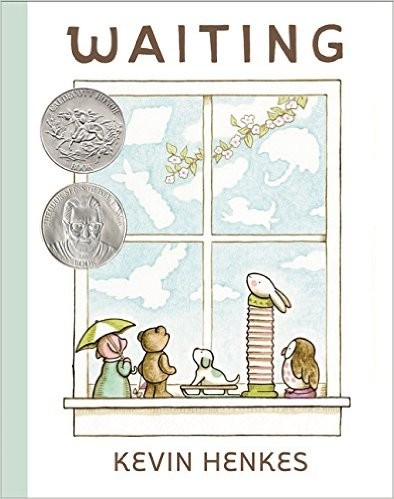
Waiting
Kevin Henkes Ages 3–6
Five toys sit on a windowsill, each waiting for something different: snow, wind, rain, the moon. Almost nothing happens. That is the point.
This is a quieter, stranger book than most here, and some children take a couple of readings to settle into it. But it does something the others don't — it makes waiting feel peaceful rather than merely survivable. For a child who gets genuinely worked up, that reframe is worth a lot.
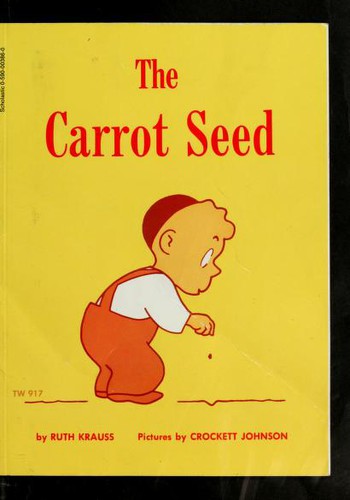
The Carrot Seed
Ruth Krauss and Crockett Johnson Ages 2–5
A little boy plants a carrot seed. Everyone tells him it won't come up. He waters it and pulls the weeds and waits. It comes up.
Barely a hundred words, first published in 1945, and still one of the most quietly powerful books about patience ever made. The boy never argues with the adults who doubt him. He just keeps watering. Children find this enormously satisfying, and so, if I'm honest, do I.
When the waiting is really about missing someone
Owl Babies
Martin Waddell and Patrick Benson Ages 2–5
Three owlets wake to find their mother gone. They wait. They worry. The smallest one just keeps saying "I want my mummy."
This is the book for a child whose hardest waiting happens at nursery drop-off or bedtime. It takes the fear seriously — Waddell doesn't rush the owlets through their worry — and the return, when it comes, is a real relief rather than a brush-off.
Fair warning: it undoes a great many adults. I am one of them.
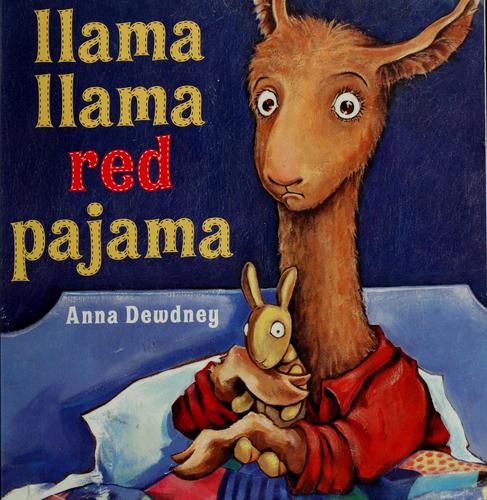
Llama Llama Red Pajama
Anna Dewdney Ages 2–5
Baby Llama is put to bed. Mama Llama goes downstairs. Baby Llama waits, then frets, then works himself into a full-blown panic before she reappears.
Dewdney's rhythm is close to perfect for reading aloud, and the escalation is funny precisely because every parent recognises it. The resolution — Mama Llama's always near, even if she's not right here — is a genuinely useful sentence to have in the house.
The Aesop route
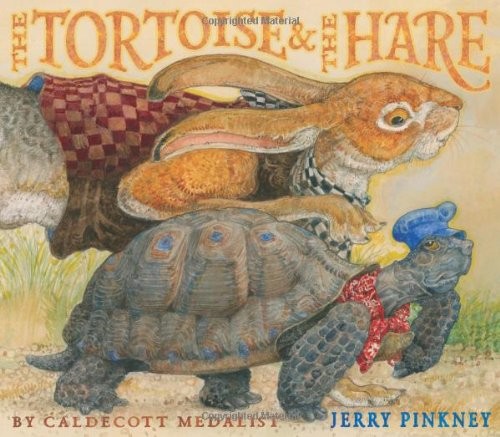
The Tortoise & the Hare
Jerry Pinkney Ages 3–7
Pinkney's version is nearly wordless, which turns out to be its strength. His watercolours carry the whole race, so a child who isn't ready for much text can still follow every beat — and tell you what happened, which is where the lesson actually lands.
This is the version I'd reach for before mine, if the child is the sort who likes to pore over a picture.
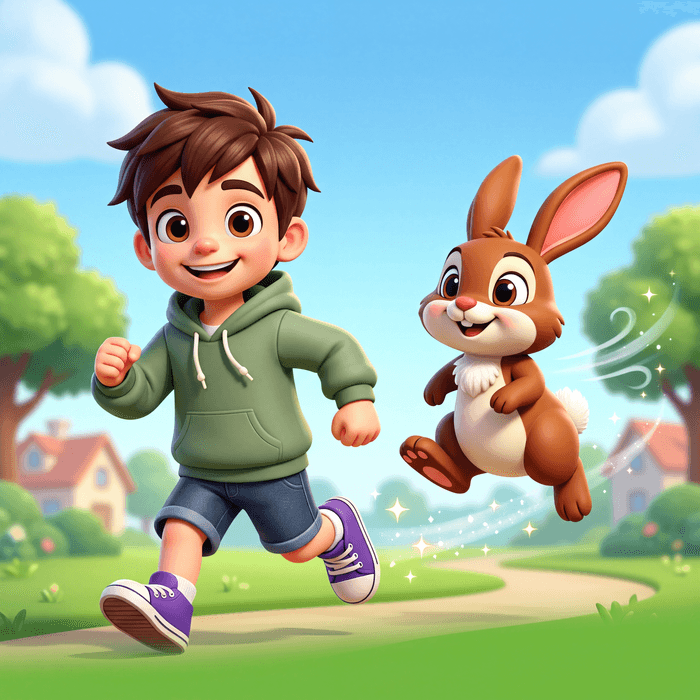
One of mine
Sage and the Big Race
C.J. Crompton Ages 3–8
This one's mine, so weigh it accordingly.
It's the tortoise and the hare told from the position most children are actually in. Sage isn't lazy or arrogant — he simply believes, with total sincerity, that the way to win a race is to run as fast as you possibly can, immediately. Flash the rabbit doesn't beat him with a lecture. He just keeps going at a pace he can hold.
I wrote it that way because the traditional fable makes the hare a bit of a villain, and small children aren't being villains when they sprint off. They're doing the only obvious thing. It seemed unfair to punish them for it in a bedtime story.
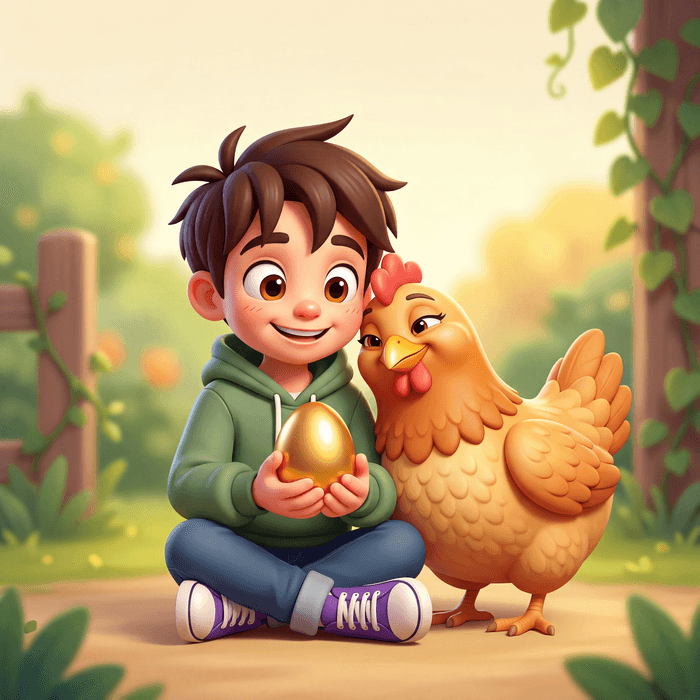
One of mine
Sage and the Golden Eggs
C.J. Crompton Ages 4–8
The goose that laid the golden eggs, for a preschool audience — about the particular impatience that makes you want everything now, at the cost of having it at all.
This is the harder idea of the two and it suits the older end. Four-year- olds generally need the wanting-it-now version; five- and six-year-olds can start to grasp that rushing might actually cost you something. If your three-year-old looks blank, that's the book being early, not the child being slow.
For the child who gives up rather than waits
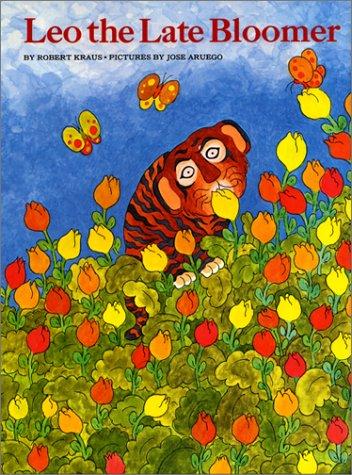
Leo the Late Bloomer
Robert Kraus and Jose Aruego Ages 3–6
Leo can't read, or write, or draw, or eat tidily, and his father worries about it constantly while his mother insists Leo is simply a late bloomer. Eventually, in his own time, Leo blooms.
Worth reading as much for the adults as the child. The father's anxious hovering is the recognisable part, and I say that as someone who has done the hovering.
One of mine
Sage Keeps Trying
C.J. Crompton Ages 3–8
Mine again — last one, I promise.
Where Big Race is about pacing, this is about the moment you want to stop: the fourth attempt, when it still isn't working and nobody would blame you for wandering off to do something easier. That moment turned out to be much harder to write than the race was.
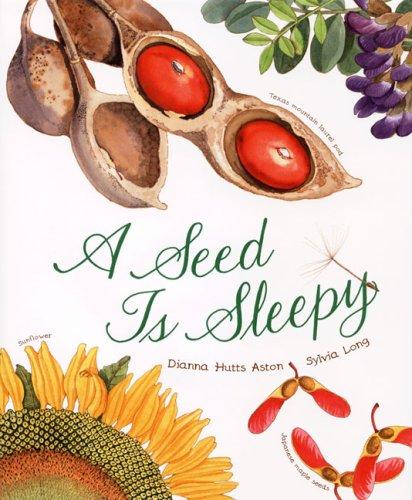
A Seed Is Sleepy
Dianna Hutts Aston and Sylvia Long Ages 4–8
Not a story at all, and the odd one out here. It's a beautiful piece of non-fiction about seeds, some of which wait years underground before they grow.
For a certain kind of child — the one who wants to know why rather than be told a story — this does more work than any fable, mine included. Waiting stops being a rule imposed by grown-ups and becomes something the world simply does.
How to actually use these
Reading the book is the easy half. A few things that make the difference:
Read it before you need it. A story about waiting is useless in the middle of a meltdown. Read it on a calm Tuesday, several times, so that later you can say "like Gerald" and a child who is falling apart has something to hold on to.
Give the wait a shape. Small children can't picture ten minutes, but they can picture two songs, or the length of one book, or "until the timer goes ding." Borrow the trick from The Carrot Seed — give them a job to do inside the wait, and it stops being empty.
Don't skip the frustrated bit. The temptation is to rush to the happy ending. Sit in the part where Gerald is furious, or the owlets are frightened. That is the part your child is living in.
Let them tell it back. Ask what happened. A child who can narrate the story has taken something from it that being told the moral never gives them. It is also why the near-wordless books earn their place.
Expect it to take a while. Patience is a skill built through hundreds of small rehearsals, not a switch that flips. If it feels slow, that is the thing working as designed — which is, I admit, its own small joke.
C.J. Crompton writes the Sage's Adventures series — thirty picture books for ages 3–8, retelling Aesop's fables for modern children. You can browse the whole series or download free coloring packs.