Picture Books About Being Brave and Trying New Things
As an Amazon Associate I earn from qualifying purchases.
There is a particular flavour of stuck that most three- and four-year-olds go through: they want to do the thing, they have decided to do the thing, they are standing right next to the thing — and they cannot make their body do it. It is not defiance and it is not really cowardice. It is a small person meeting the gap between intention and action for the first time.
What is genuinely unhelpful at that moment is being told there is nothing to be frightened of. There is. The slide is high, the water is deep, the room is full of children they have never met. A child who is told their fear is imaginary mostly learns to stop mentioning it.
What does help is a story where somebody is frightened, stays frightened, and goes anyway. That is the actual definition of brave, and it is worth a child hearing it early — because the version they get everywhere else, where the hero is fearless, sets a standard nobody has ever met.
Two of the nine below are mine, and in at least one case the book next to it is plainly better. I have said which.
The ones that get it exactly right
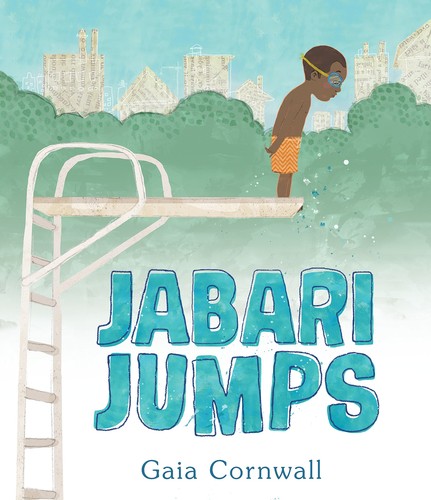
Jabari Jumps
Gaia Cornwall Ages 3–7
Jabari has finished his swimming lessons and is definitely ready to jump off the diving board. He is also, it turns out, going to need to do some stretches first. And let someone go ahead of him. And possibly rest.
This is the best book about courage for small children that I know. His father never rushes him and never pretends it isn't frightening — he just says that sometimes when he is scared he tells himself he is ready for a surprise. That line has been quoted in our house for years.
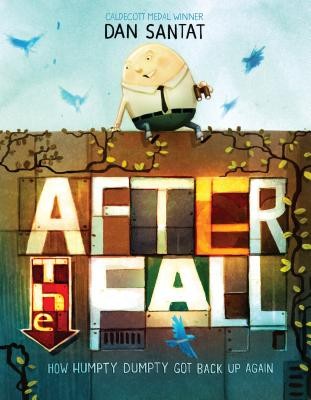
After the Fall
Dan Santat Ages 4–8
What happened to Humpty Dumpty after they put him back together. The answer is that he was terrified of heights, gave up the things he loved, and had to climb the wall again.
The most genuinely moving book on this list, and the one about the harder kind of bravery — going back to something that has already hurt you. The final pages do something I will not spoil. Suits the older end, and adults tend to need a moment.

One of mine
Sage and the Sky Slide
C.J. Crompton Ages 3–8
One of mine, so weigh it accordingly.
Sage wants to go down the big slide and cannot make himself do it, while smaller children go past him. It is deliberately a very small problem, because at four the slide is the problem.
Pair it with Jabari Jumps if you like — they are close cousins, and Cornwall's is the better book. I would rather say that than pretend otherwise.
When it is a new place or a new person
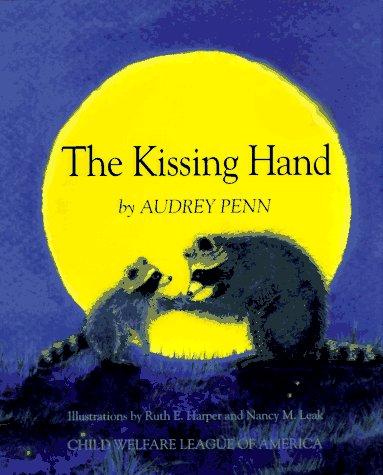
The Kissing Hand
Audrey Penn and Ruth E. Harper Ages 3–6
Chester Raccoon does not want to go to school. His mother kisses his palm so that he can press it to his cheek whenever he needs her.
An enormous number of children have started school on the back of this book, and it earns its reputation. The kissing hand is a portable comfort, which is the clever part — it gives a frightened child something they can do once you have gone.
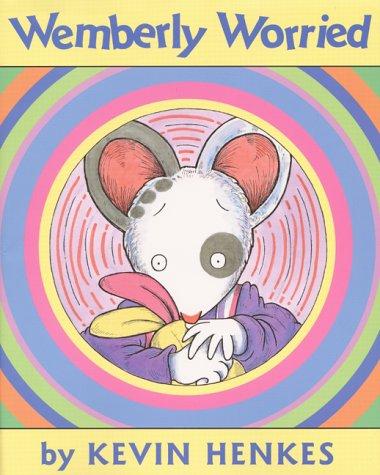
Wemberly Worried
Kevin Henkes Ages 3–7
Wemberly worries about everything, and above all about starting school. School is fine. There is another worrier there.
Included on two of my lists because it does two jobs. Here it is the before-the-first-day book: it does not promise nothing bad will happen, only that she got through it, which is the only promise anyone can honestly make.
One of mine
Sage Steps Up
C.J. Crompton Ages 3–8
Mine, and the last of them here.
About the very first move — putting your hand up, going over, saying the thing — rather than about the whole frightening endeavour. Almost all of the fear lives in the first step, and once you have taken it there is usually nothing left to be brave about.
Braver than they look
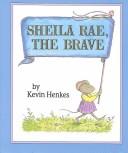
Sheila Rae, the Brave
Kevin Henkes Ages 4–8
Sheila Rae is afraid of nothing and says so constantly. Her little sister Louise is afraid of most things. Then Sheila Rae gets lost, and Louise — who has been quietly following — knows the way home.
The book for a household with a loud confident child and a quiet one, and the best correction here to the idea that bravery means never being frightened. Louise is the brave one. She just does not announce it.
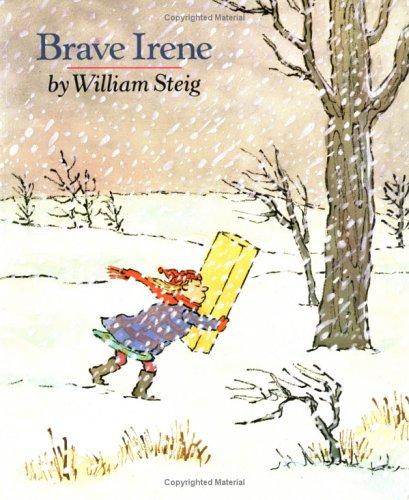
Brave Irene
William Steig Ages 5–9
Irene's mother is a dressmaker and too ill to deliver the duchess's gown, so Irene carries it through a snowstorm herself. It is a genuinely hard journey and she nearly does not make it.
Older and longer than most of this list, and worth waiting for. Steig lets Irene be frightened, exhausted and quite cross about it, which is what makes her brave rather than merely plucky.
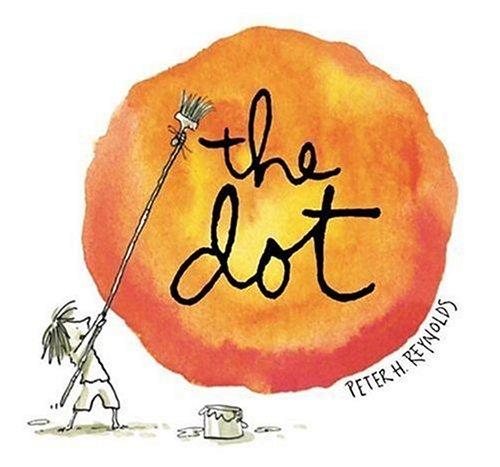
The Dot
Peter H. Reynolds Ages 4–8
Vashti cannot draw and will not try. Her teacher tells her to make a mark and see where it takes her, then signs it and frames it.
For the specific child who avoids things they might not be immediately good at — a very common and very under-recognised kind of fear. The teacher's move is one worth stealing wholesale.
How to actually use these
Things that have helped more than the reading:
Do not say "there's nothing to be scared of." There visibly is, or they would not be scared. It also teaches a child that their own read on a situation is unreliable. "That does look high" costs nothing and buys a great deal of trust.
Shrink the step, don't shrink the fear. A child who will not go down the slide might sit on it. Then sit halfway. The fear does not need arguing with — it needs a smaller thing to attach to.
Let them watch first. Standing at the side for twenty minutes is not failure, it is reconnaissance, and hurrying it is usually what turns a slow start into a refusal.
Never do it for them at the last second. Carrying a hesitant child down the slide gets you past the moment and teaches them they were right to be frightened. Better to leave and come back tomorrow.
Praise the attempt, not the outcome. "You climbed all the way up" is useful. "See, that wasn't scary!" is an argument they will lose and resent.
Some of it is just time. A great deal of early caution resolves on its own with no intervention at all. If you did nothing, most of it would still pass.
C.J. Crompton writes the Sage's Adventures series — thirty picture books for ages 3–8, retelling Aesop's fables for modern children. You can browse the whole series or download free coloring packs.