Picture Books About Friendship for Little Kids
As an Amazon Associate I earn from qualifying purchases.
Ask a four-year-old who their friends are and you will usually get a list of everyone who happened to be nearby that morning. Friendship at that age is largely proximity — the child at the next peg, the one whose turn it was on the trike. The idea that a friend is someone you choose, and keep choosing, arrives later and considerably more painfully.
That is why the friendship books that work for little children are rarely about making friends. They are about the small mechanics of being one: noticing that someone is sad, turning up, taking a turn, saying the awkward true thing. Those are learnable. “Be a good friend” is not.
The other thing worth saying is that a great many friendship books are secretly about the adult’s anxiety — the worry that your child is not popular enough. The best ones on this list ignore that entirely and concentrate on two people getting along, which is all a small child is actually trying to do.
Three of the ten below are mine. The other seven are, in several cases, plainly better, and I have said so where it is true.
The ones I'd reach for first
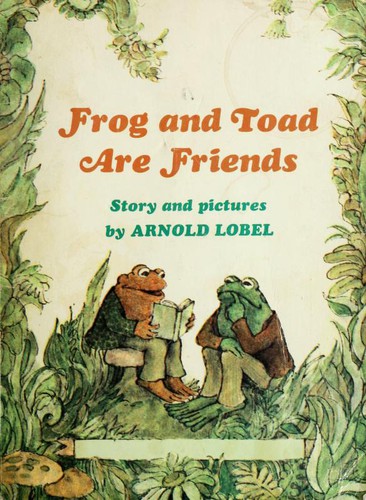
Frog and Toad Are Friends
Arnold Lobel Ages 4–8
Five short stories about two friends who are not remotely alike. Frog is cheerful and capable. Toad is anxious, easily wounded, and frequently in bed.
Nothing else on this list understands friendship as well. Lobel never makes either of them the sensible one — they take turns being ridiculous, and they stay. If I could only keep one book from every guide I write, this would be a serious contender for the lot of them.
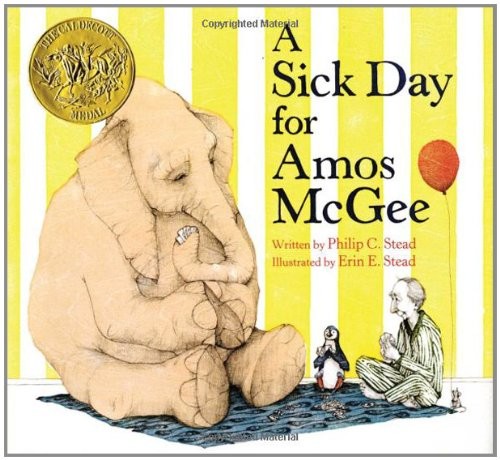
A Sick Day for Amos McGee
Philip C. Stead and Erin E. Stead Ages 3–7
Amos, a zookeeper, spends every day quietly attending to his animal friends. When he is off sick, they get on a bus and come to him.
A very gentle, very slow book about the fact that friendship is mostly made of small repeated attentions rather than dramatic gestures. Erin Stead's illustrations are astonishingly good. Ideal for bedtime, and for a child who is not much interested in noisy stories.
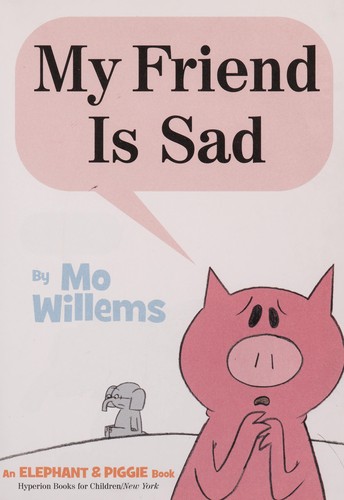
My Friend Is Sad
Mo Willems Ages 3–6
Gerald is sad. Piggie dresses up as a cowboy, a clown and a robot to cheer him up. None of it works, because what Gerald actually wanted was Piggie.
Fifty-odd words, and it makes a point most books take two thousand to miss: your friend does not need you to fix it, they need you to turn up. Children find the ending genuinely funny. Adults tend to go quiet.
Making a friend when it is hard
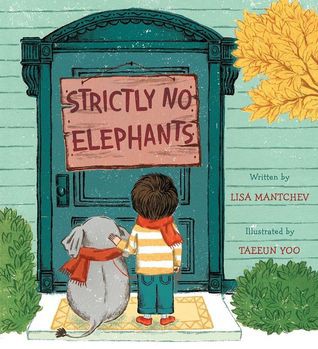
Strictly No Elephants
Lisa Mantchev and Taeeun Yoo Ages 3–7
A boy with a tiny pet elephant is turned away from the Pet Club — the sign says no elephants — and so he and another excluded child start a better club of their own.
The right book for a child who is on the outside of something. It does not end with the original club relenting, which I think is the honest choice: sometimes the answer is to find your own people rather than to keep knocking.
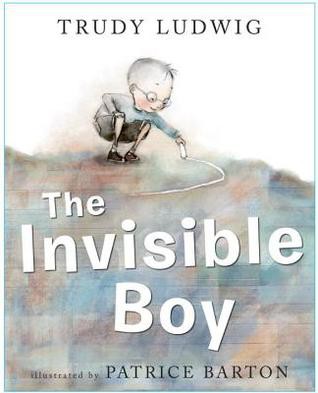
The Invisible Boy
Trudy Ludwig and Patrice Barton Ages 5–9
Brian is never picked, never invited, and never noticed — drawn literally in grey while the other children are in colour. One small kindness begins to bring him into colour.
Aimed slightly older than most of this list, and the one to read if your child is the included one. It is much more useful as a book about noticing than as a book about being left out.
One of mine
Sage Helps a Friend
C.J. Crompton Ages 3–8
One of mine, so take it with the usual pinch of salt.
Sage discovers that a job neither of them could do alone is quite easy with two. Straightforwardly about teamwork rather than about feelings, which makes it the most practical of my three here and the one that suits the youngest end.
When friendship gets complicated
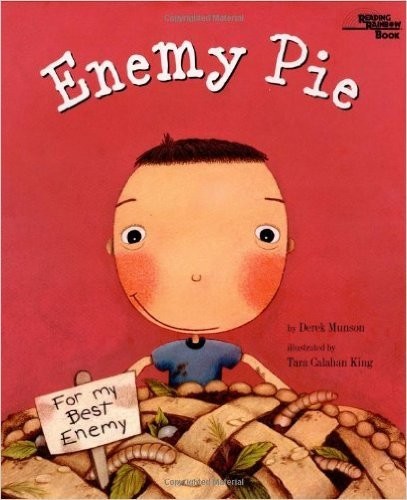
Enemy Pie
Derek Munson and Tara Calahan King Ages 5–9
A boy's father offers to bake a pie that will get rid of his enemy. The catch is that the recipe requires spending one whole day being nice to him first.
The best book here on the fact that most childhood enemies are simply people you have not spent an afternoon with. The father is quietly brilliant and never explains the trick, which is why it works.
George and Martha
James Marshall Ages 4–8
Two hippopotamuses, five very short stories, and a lot of dry comedy. In the first, George pours Martha's disgusting split pea soup into his loafers rather than tell her he hates it — and then has to admit that friends should tell each other the truth.
Funnier and stranger than most modern friendship books, and it takes seriously the idea that friends irritate each other. That is a more accurate picture than most children are given.
One of mine
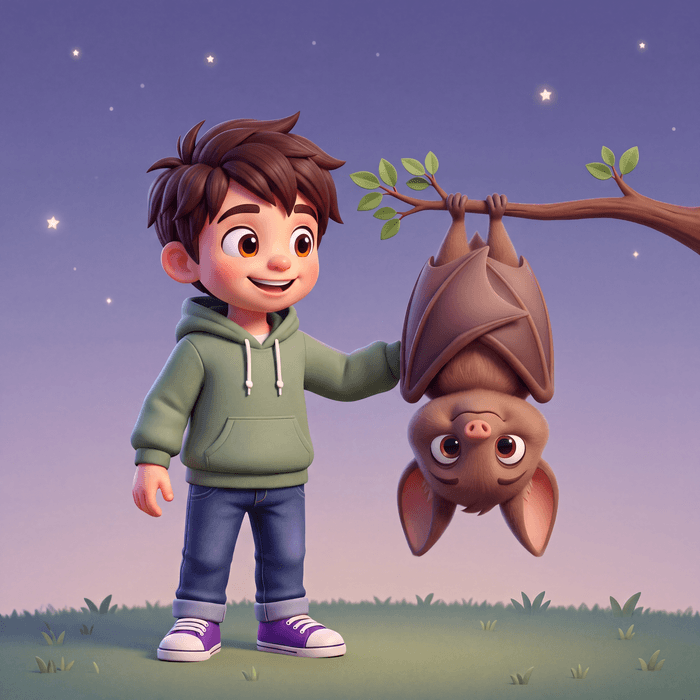
Sage Stays True
C.J. Crompton Ages 3–8
Mine. About the moment a friend is unpopular and standing next to them costs you something.
This was the hardest of my thirty to get right. Every draft either made it too easy — everyone applauds the brave choice — or too bleak. What eventually worked was letting it cost Sage something real and not undoing it at the end.
One of mine
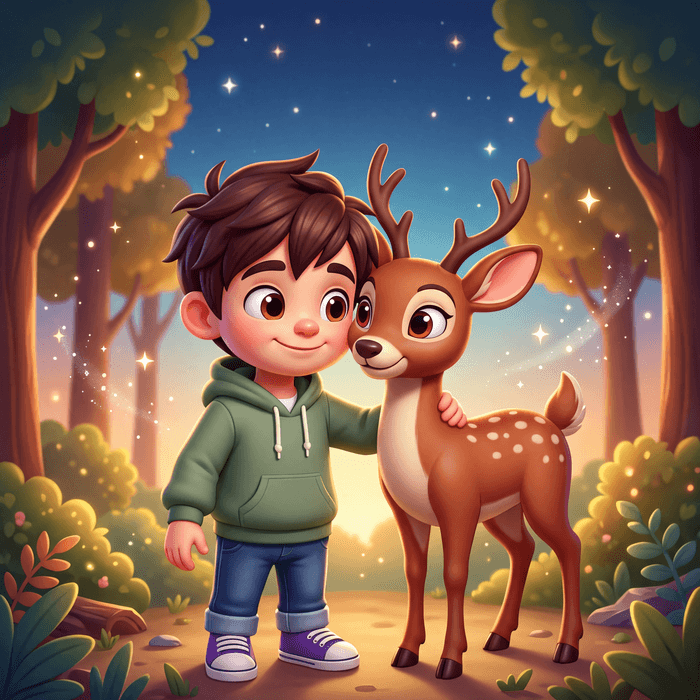
Sage's Truest Friend
C.J. Crompton Ages 3–8
Mine, and the last one.
About the difference between the friend who is fun and the friend who stays when it stops being fun — which is a distinction children start making surprisingly early, usually somewhere around five, and which nobody ever explains to them.
It is the final book in the series, and I put this idea last on purpose.
How to actually use these
What I have found genuinely helps, beyond reading:
Don't force the apology. A five-year-old marched over to say sorry has learned how to end a confrontation, not how to repair one. Asking "what would make it better?" gets a slower, stranger, and much more sincere answer.
One friend is enough. There is a lot of pressure — mostly on parents, honestly — for a child to be broadly popular. Most children need one person who is pleased to see them. If they have that, the rest is decoration.
Playdates are easier than playgrounds. A child who seems friendless in a group of twenty is often perfectly capable one-to-one. The group is the hard version, not the basic one.
Narrate the other child. "He looks like he wants a turn" is invisible work a small child cannot yet do. Saying it out loud, repeatedly, over about two years, is roughly how it gets learned.
Let some friendships end. Children drift, and adults grieve it more than they do. Not every fading friendship is a problem to be solved.
C.J. Crompton writes the Sage's Adventures series — thirty picture books for ages 3–8, retelling Aesop's fables for modern children. You can browse the whole series or download free coloring packs.