Picture Books About Sharing for Toddlers and Preschoolers
As an Amazon Associate I earn from qualifying purchases.
There is a moment, somewhere around two and a half, when a child works out that things can belong to people — and immediately concludes that most of them belong to them. It is not greed. It is a genuine discovery, arrived at with some force, and for a while afterwards it is the most interesting fact in the world.
Which is worth remembering, because “share nicely” asks a small child to do something quite sophisticated: hold onto the idea that they will get the thing back, while it is not in their hands, while another child is enjoying it. Adults find that hard. Three-year-olds have almost no equipment for it.
Books help because they let a child watch the whole arc from outside — the wanting, the not-wanting-to, the giving in, and crucially the part where it turns out fine. The end is the bit that has to be rehearsed, because in real life the child never gets to see it coming.
Three of the ten below are mine. The other seven are the ones I’d hand over first, and I have said where I think they do the job better.
Start here

Should I Share My Ice Cream?
Mo Willems Ages 3–6
Gerald has an ice cream. He works out, slowly and agonisingly, that he ought to share it with Piggie. He deliberates so long that it melts.
This is the funniest and most honest book about sharing I know, because it refuses to pretend that generosity is easy or automatic. Gerald wants to be good. He is simply also a creature with an ice cream. Children roar at the ending, and they absolutely understand what it cost him.
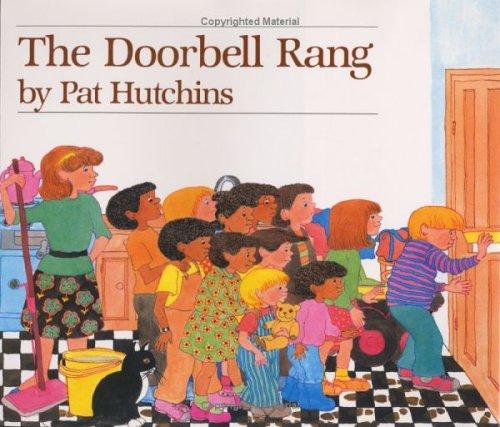
The Doorbell Rang
Pat Hutchins Ages 3–6
Ma makes a dozen cookies for two children. Then the doorbell rings, and rings, and rings, and each time the cookies have to be divided further.
What makes this so useful is that the sharing is arithmetic — you can see it happening on the plate. It is the only book here that gives a three-year-old a physical picture of what "share" actually means, which turns out to be most of the battle.
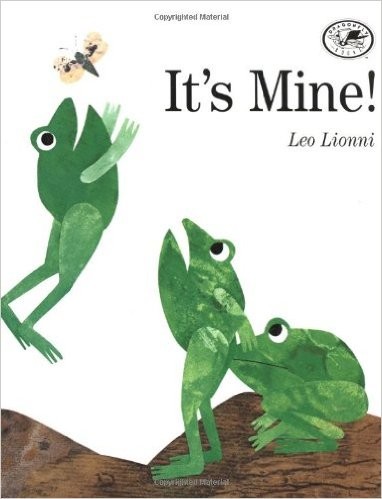
It's Mine!
Leo Lionni Ages 3–6
Three frogs squabble endlessly over a pond that none of them owns, until a flood forces them onto the same rock together.
Lionni does not moralise, which is why it lands. The frogs don't learn to share because someone told them to — they learn because clinging to "mine!" stopped working. That is closer to how it actually happens.
When it is really about not wanting to let go
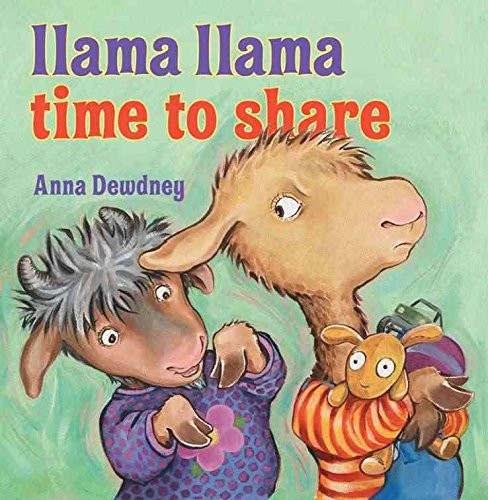
Llama Llama Time to Share
Anna Dewdney Ages 2–5
A new friend comes to play, wants Llama's things, and it goes about as well as you would expect. There is a broken toy and a proper meltdown before anyone recovers.
Dewdney's rhythm makes it a pleasure to read aloud for the fifteenth time, which matters more than people admit. Good for the very young end, where the problem is genuinely about possession rather than fairness.
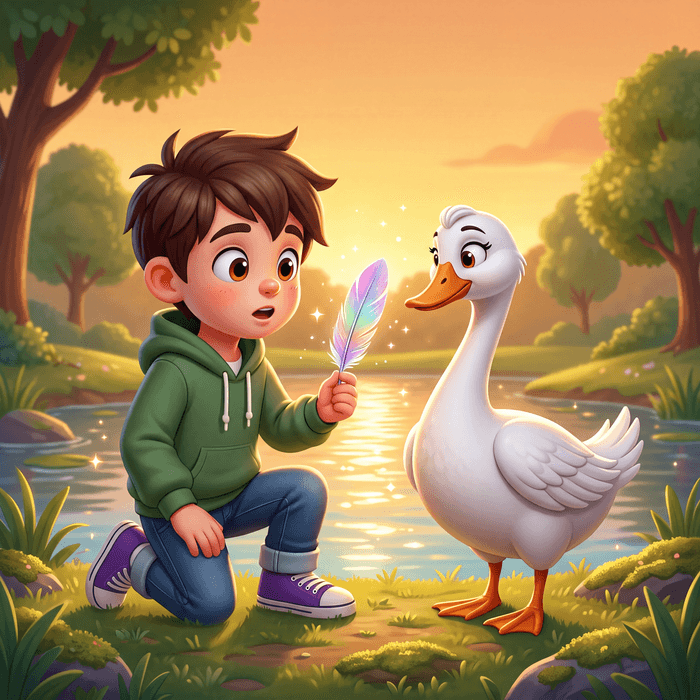
One of mine
Sage's Special Discovery
C.J. Crompton Ages 3–8
One of mine, so apply the usual discount.
Sage finds something wonderful and his first instinct — the honest one — is to keep it to himself. The book is about the moment just after that, when he works out that the good thing gets bigger when other people are in it.
I wrote it because most sharing books start after the child has already agreed to share. The interesting part is the ten seconds before.
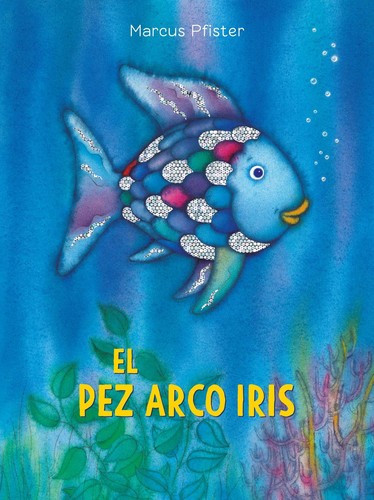
The Rainbow Fish
Marcus Pfister Ages 3–6
The famous one, with the foil scales. Rainbow Fish is beautiful and friendless until he gives his shining scales away.
I have mixed feelings and will say so: the message can read as "buy friendship by giving away pieces of yourself", and plenty of parents dislike it for exactly that. But children adore it, the pictures are genuinely lovely, and it opens a conversation worth having. Read it, then ask whether Rainbow Fish should have had to give his scales away.
Sharing when there genuinely isn't enough
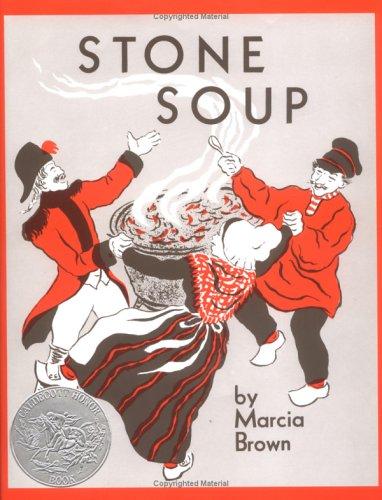
Stone Soup
Marcia Brown Ages 4–8
Three hungry soldiers persuade a village of people who have "nothing to spare" to make a feast, one contributed ingredient at a time.
This is the grown-up end of sharing: not dividing a treat, but discovering that a group holds far more than any individual will admit to. Brown's 1947 version is the one I'd pick, though there are several good ones.
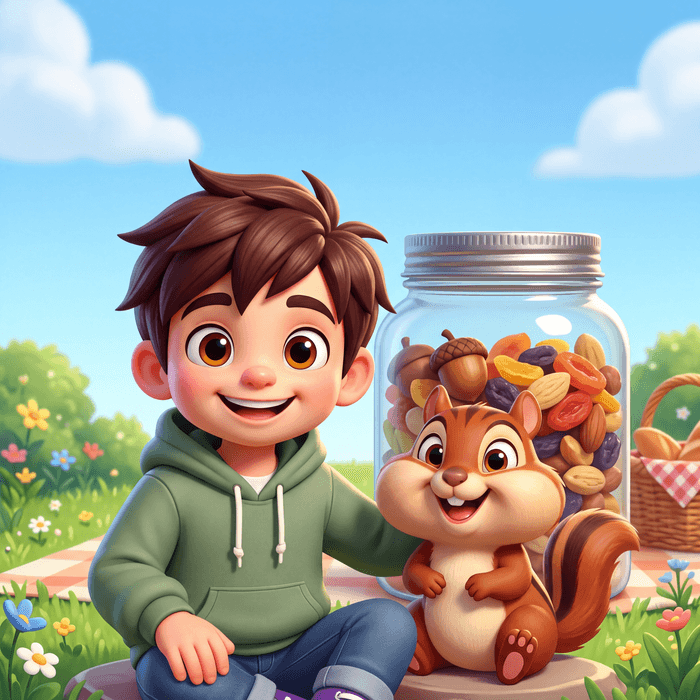
One of mine
Sage's Fair Share
C.J. Crompton Ages 3–8
Mine. This is the "who gets the bigger half" book — about the difference between an equal share and a fair one, which are not always the same thing and which children detect the gap between remarkably early.
Of everything I have written, this is the one that most often gets a four-year-old arguing back at the page. I have decided to take that as a good sign.
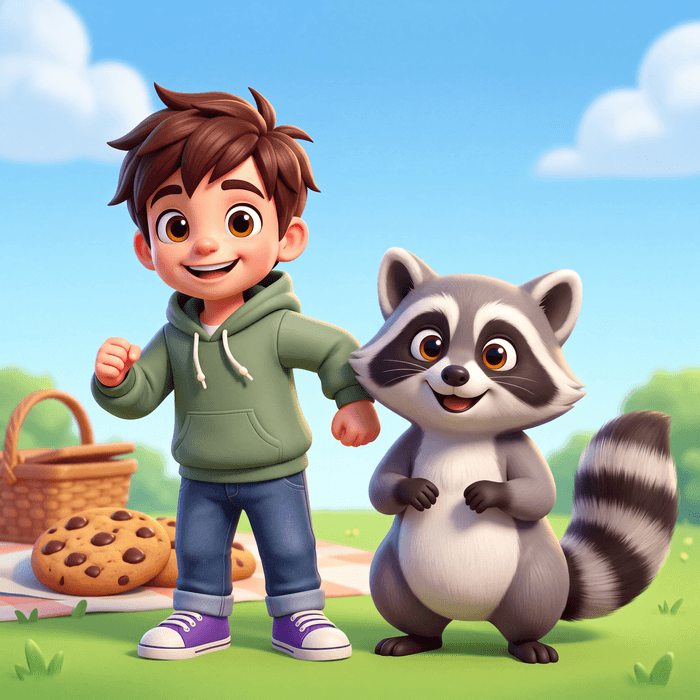
One of mine
Sage and the Last Cookie
C.J. Crompton Ages 3–8
Mine, and the last of them here.
One cookie, two friends who both want it, and the squabble that follows. Shorter and sillier than the other two, and the one I'd reach for with a child who is currently mid-argument with a sibling, because it lets them laugh at the situation from the outside.
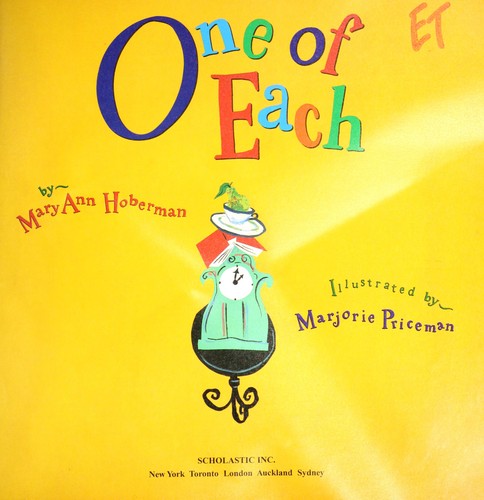
One of Each
Mary Ann Hoberman Ages 3–7
Oliver Tolliver has exactly one of everything and is perfectly happy until a visitor points out that a house with one of each has no room for anybody else.
In rhyme, and a gentler entry point than most — the problem is loneliness rather than greed, which suits a child who is not really being selfish so much as not yet seeing why anyone else would need a chair.
How to actually use these
A few things that helped here more than the books did:
"Share" is at least three different skills. Taking turns, dividing something up, and letting go of a thing you love are not the same job, and a child can be fine at one and hopeless at another. Working out which one you are actually asking for makes the request far easier to meet.
Don't make sharing the price of the toy. If every time a friend arrives the favourite thing has to be handed over, a child learns that visitors cost them. Letting them put two or three things away before a playdate is not indulgence — it makes everything else shareable.
Name it when it happens. "You gave him the red one" does more than any amount of pre-emptive instruction, because it tells a child that the thing they just did has a name and that you noticed.
Expect regression under pressure. Tired, hungry, or in front of a new child, a competent sharer will revert entirely. That is not the lesson failing. That is a small person running low.
Read the books when nobody is cross. Same as everything else — a story about sharing deployed during a fight is just a lecture with pictures.
C.J. Crompton writes the Sage's Adventures series — thirty picture books for ages 3–8, retelling Aesop's fables for modern children. You can browse the whole series or download free coloring packs.